
Poverty doesn’t treat everyone equally — it hits women and girls hardest, and hardest of all when race, disability, or displacement pile on. When we remove the barriers blocking half the world’s potential, we don’t just help women — we lift entire families and communities with them.
Did You Know?
- Women and girls make up the majority of the world’s poor. Across developing regions, women consistently face lower wages, fewer assets, and less access to financial services — making poverty both a cause and consequence of gender inequality. (UN Women / World Bank)
- Globally, women perform 2.5 times more unpaid care and domestic work than men — cooking, childcare, fetching water — labor that is real, exhausting, and almost entirely invisible to economies. This time burden directly limits women’s ability to earn, learn, and advance. (ILO, 2018)
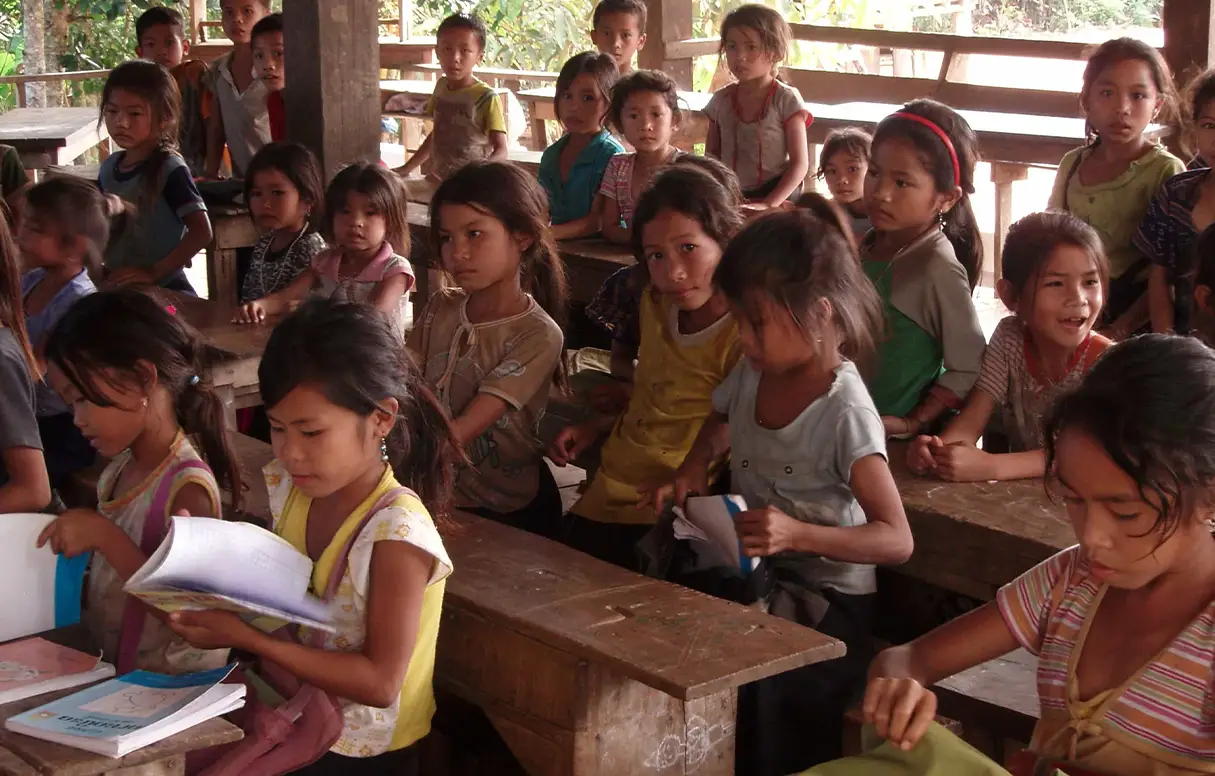
- Approximately 129 million girls worldwide were out of school prior to the COVID-19 pandemic, with girls in Sub-Saharan Africa and South Asia facing the steepest barriers. Every year a girl stays in school increases her future earnings and reduces her risk of poverty. (UNESCO)
- When women face compounding barriers — poverty plus gender, plus disability, ethnicity, or displacement — their exclusion deepens sharply. Indigenous women, women with disabilities, and displaced women face significantly higher poverty rates than the general female population, though precise global data remains limited across all intersections. (UNDP / UN Women)
Join the Movement
By clicking Sign Up, you agree to our Terms and Privacy Policy.